91
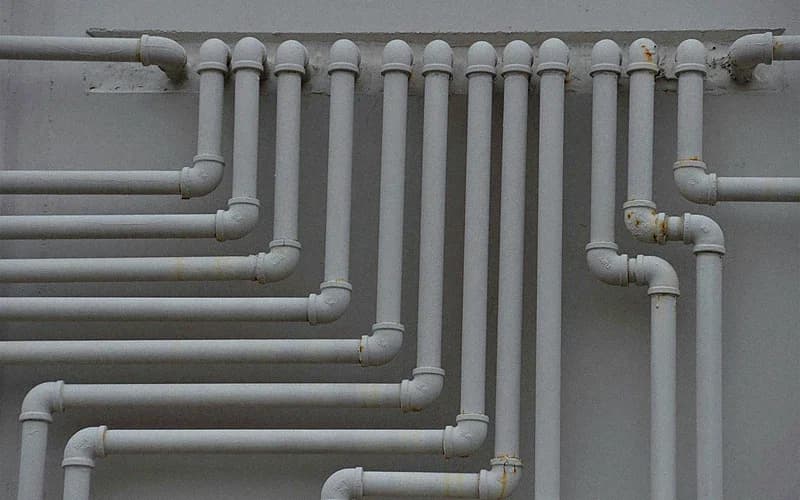
What type of pipes do I have?
Quick answerCommon pipe types are copper, PEX, PVC, CPVC, and old galvanized steel.
What to do next: Copper is metallic orange-brown, PEX is flexible plastic usually red, blue, white, or clear, PVC is usually white plastic for drains or cold water in some areas, CPVC is cream-colored, and galvanized is gray metal. If you are unsure, take clear photos of exposed piping and fittings and ask a plumber before buying parts.
92
When should pipes be replaced?
Quick answerRepeated leaks, corrosion, rusty water, or poor flow are warning signs.
What to do next: One isolated leak may just need repair. Multiple leaks in the same material usually mean the system is aging out. Old galvanized pipes often need replacement when they restrict flow. Get a repipe estimate if repairs are becoming frequent or walls are already open for remodeling.
93
Is PEX good plumbing?
Quick answerYes, properly installed PEX is reliable and common.
What to do next: Quality depends on the installer, support, fittings, protection from sunlight, and correct transition methods. PEX should not be left exposed to UV light and must be protected where it passes through framing. If you are comparing repipe bids, ask what PEX type and fitting system they use.
94
Why do my pipes make noise?
Quick answerNoise can come from water hammer, loose pipes, thermal expansion, or pressure problems.
What to do next: A bang when valves close points to water hammer. Ticking after hot water use points to expansion. Rattling while water runs may mean loose piping. Check pressure first, then look for accessible pipes that need strapping. If noise is inside walls and new, have it checked.
95
How do I shut off water to my house?
Quick answerFind the main shutoff near the meter or where water enters the home.
What to do next: Common locations are the garage, basement, crawl space, utility closet, or outside meter box. Turn a round handle clockwise, or turn a lever perpendicular to the pipe. Label it and show everyone in the home. On a calm day, close it briefly and open a faucet to confirm water stops, then reopen it fully.
96
Should I replace old shutoff valves?
Quick answerYes if they leak, stick, corrode, or do not fully close.
What to do next: Fixture shutoffs are cheap compared to water damage. Replace old multi-turn valves with quarter-turn valves when doing faucet, toilet, or appliance work. If a valve is soldered, seized, or on old brittle pipe, call a plumber.
97
Are braided supply lines better?
Quick answerGood braided stainless lines are usually a smart upgrade.
What to do next: Use quality supply lines sized correctly for the fixture. Do not overtighten them, because the rubber washer does the sealing. Replace lines that are kinked, rusty, bulging, or older than the fixture repair you are doing. Washing machine hoses deserve special attention.
98
How often should supply lines be replaced?
Quick answerInspect yearly and replace questionable lines right away.
What to do next: For toilets and faucets, 5 to 10 years is a reasonable replacement window, sooner if there is corrosion or stiffness. For washing machines, follow hose manufacturer guidance, often around 5 years. Add leak alarms near appliances with water lines.
99
Can pipes freeze indoors?
Quick answerYes, especially in exterior walls, crawl spaces, garages, and cabinets.
What to do next: During hard freezes, open cabinet doors, disconnect hoses, cover hose bibs, and let vulnerable faucets drip slightly. Insulate exposed pipes and seal air gaps. If you have had a freeze once, fix the insulation or airflow issue before next winter.
100
What should I do if pipes freeze?
Quick answerWarm them gently and watch for leaks as they thaw.
What to do next: Open the faucet served by the frozen line. Use a hair dryer, warm towels, or space heater safely. Never use an open flame. If you cannot find the frozen section, if the pipe is split, or if water starts flowing where it should not, shut off the main and call a plumber.
101
Are galvanized pipes a problem?
Quick answerOld galvanized pipes often rust inside and restrict flow.
What to do next: Signs include rusty water, low flow, clogged aerators with rust flakes, and leaks at threaded joints. A small repair may buy time, but widespread galvanized usually needs repiping. If buying an older home, galvanized supply piping is worth pricing before closing.
102
Why is there green corrosion on copper pipe?
Quick answerIt can be from moisture, flux residue, leaks, or water chemistry.
What to do next: Wipe the pipe dry and see if moisture returns. Green staining around a joint can mean a slow leak. If corrosion is widespread, test water pH and hardness through a local lab or water treatment company, because aggressive water can shorten pipe life.
103
Is CPVC brittle?
Quick answerOlder CPVC can get brittle, especially with heat and age.
What to do next: Be gentle around CPVC. Do not force old valves or fittings. If it cracks during a small repair, that is a sign the system may be aging. A plumber can advise whether a spot repair is safe or whether repiping should be considered.
104
Should I insulate pipes?
Quick answerYes for freeze protection and hot-water efficiency.
What to do next: Use foam pipe insulation on exposed pipes in garages, crawl spaces, attics, and exterior walls where accessible. Insulate hot water lines to reduce heat loss. Insulation helps, but it does not fix cold drafts, so seal gaps and protect hose bibs too.
105
How do I find my water meter?
Quick answerIt is usually near the street, sidewalk, basement, or utility area.
What to do next: Look for a rectangular or round meter box outside, often near the property line. Inside meters are common in colder climates. Once found, learn which valve is yours and how to read the leak indicator. Do not damage utility-owned parts.
106
Can I shut off water to just one fixture?
Quick answerUsually yes, if that fixture has working shutoff valves.
What to do next: Toilets, sinks, dishwashers, ice makers, and washing machines often have local shutoffs. Turn the valve clockwise or the lever perpendicular. If the valve does not stop water or starts leaking, use the main shutoff and plan to replace the local valve.
107
How disruptive is a whole-house repipe?
Quick answerIt can be manageable, but it depends on the house layout.
What to do next: Ask how many days water will be off, how walls will be opened, who patches drywall, what material will be used, and whether permits are included. Good repipe crews plan routes to reduce wall damage. Do not choose only by lowest price. Access, restoration, and warranty matter.
108
Can water chemistry damage pipes?
Quick answerYes, aggressive or hard water can shorten pipe and fixture life.
What to do next: If you see pinhole leaks, blue-green stains, rusty water, scale, or frequent fixture failures, start with home strips for hardness, pH, iron, and chlorine. For a real diagnosis, use a certified lab or local water treatment professional and share results with your plumber.