147
Why is my water cloudy?
Quick answerIf it clears from bottom to top, it is usually air bubbles.
What to do next: Fill a clear glass and watch it for a few minutes. If it clears from bottom upward, that is trapped air and usually harmless. If it stays cloudy, has particles, or smells, use a basic home water test strip for hardness, pH, chlorine, iron, and copper, or send a sample to a certified lab for exact results.
148
Why is my water brown?
Quick answerRust, sediment, city work, well issues, or the water heater can cause it.
What to do next: Test hot and cold separately in clear glasses. If only hot is brown, flush or inspect the water heater. If both are brown, ask the water utility whether work happened nearby. For well water or ongoing discoloration, use a lab test for iron, manganese, sediment, and bacteria.
149
Do I need a water softener?
Quick answerIf hard water is causing scale and fixture problems, maybe yes.
What to do next: Buy hardness test strips or request your city water report. Hardness is commonly measured in grains per gallon or ppm. If hardness is high and you see scale on fixtures, spotty dishes, dry skin, or water heater sediment, get a softener quote and ask about maintenance, salt use, and bypass valves.
150
What is the difference between a filter and a softener?
Quick answerA filter removes certain contaminants, while a softener removes hardness minerals.
What to do next: Decide based on a water test, not a sales pitch. Sediment filters catch particles. Carbon filters help taste, odor, and chlorine. Softeners handle calcium and magnesium. Reverse osmosis is usually for drinking water at one faucet. Match the equipment to the actual problem.
151
How often should I check my plumbing?
Quick answerDo a quick walkthrough every few months.
What to do next: Look under sinks, around toilets, behind the washer, at the water heater, and near visible pipes. Touch supply lines for dampness, look for corrosion, and check ceilings below bathrooms. Catching a drip early is one of the cheapest plumbing wins.
152
What plumbing maintenance should homeowners do yearly?
Quick answerCheck shutoffs, supply lines, drains, toilets, pressure, and the water heater.
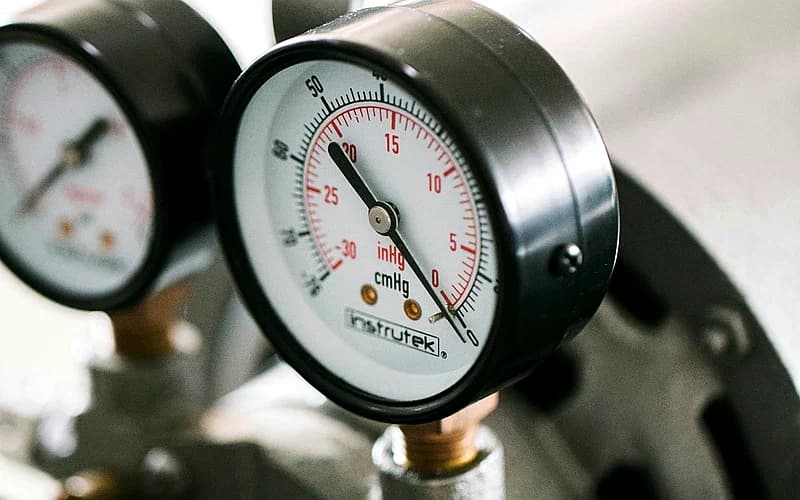
What to do next: Flush the water heater if appropriate, test pressure with a hose-bib gauge, clean aerators, inspect supply lines, exercise shutoff valves gently, and dye-test toilets for silent leaks. If you have a sump pump, pour water into the pit until the float rises and confirm the pump starts, discharges outside, and shuts off. If you have a sewer history, schedule preventive cleaning.
153
Should I turn off water when leaving town?
Quick answerYes, if you will be gone more than a couple days.
What to do next: Shut off the main water valve and open a faucet to relieve pressure. Leave HVAC on enough to prevent freezing or humidity problems. If appliances need water while you are gone, consider a smart shutoff instead. At minimum, turn off washer valves and check the water heater instructions.
154
Are smart leak detectors worth it?
Quick answerYes, they are cheap compared to water damage.
What to do next: Put sensors near water heaters, washing machines, dishwashers, toilets, sinks, sump pumps, and refrigerators with ice makers. Basic alarms beep locally. Better systems notify your phone. A smart main shutoff can automatically close water when a leak is detected.
155
When should I call a plumber instead of DIY?
Quick answerCall for gas, sewage, flooding, slab leaks, water heaters, and repeat problems.
What to do next: DIY is fine for aerators, flappers, simple supply lines, and cleaning traps if you are comfortable. Call a pro when the repair can flood the house, involves gas or electricity, needs permits, keeps recurring, or requires opening walls. Also call if the shutoff valve does not work.
156
What is the best way to avoid plumbing emergencies?
Quick answerKnow your shutoffs and fix small problems early.
What to do next: Label shutoffs, keep drains clear, avoid wipes and grease, maintain the water heater, replace old supply lines, and use leak alarms. Check pressure once or twice a year. If something repeats, diagnose it instead of treating each episode like bad luck.
157
Why does my water smell like chlorine?
Quick answerCity water disinfectant or treatment changes can cause it.
What to do next: Let a glass sit uncovered for a few minutes. If the smell fades, chlorine is likely. Use a home chlorine test strip if you want a number, or check your water utility report. A carbon filter can improve taste and odor. If the smell is sudden and strong, call the utility.
158
What are black specks in my water?
Quick answerThey can come from rubber parts, carbon filters, or pipe debris.
What to do next: Check whether specks appear in hot only, cold only, or after a filter change. Black rubbery bits may be from a failing supply hose, faucet washer, or water heater connector. Gritty black particles after a carbon filter change may be carbon fines. If it continues, collect a sample and have a plumber inspect.
159
Why do I have blue-green stains?
Quick answerCopper corrosion or acidic water may be involved.
What to do next: Test water pH with a home kit, then confirm with a certified lab if stains are recurring. Low pH can leach copper from pipes. A plumber and water treatment pro can help decide whether neutralization, pipe repair, or fixture replacement is needed.
160
Why are white flakes in my hot water?
Quick answerIt is often mineral scale from the water heater.
What to do next: Check if flakes appear only in hot water. Flush the water heater and clean faucet aerators. Test hardness with strips. If flakes keep coming back, the heater may have heavy scale or the dip tube may be deteriorating, depending on material and age.
161
How do I test water hardness at home?
Quick answerUse hardness test strips from a hardware store or aquarium supplier.
What to do next: Follow the strip timing exactly and compare to the color chart. Results may show ppm, mg/L, or grains per gallon. If you are buying treatment equipment, get a more complete lab or dealer test that includes hardness, iron, manganese, pH, TDS, and chlorine.
162
Should I test for lead?
Quick answerYes if your home is older or you have lead service line risk.
What to do next: Use a certified lab test for lead, not just a general strip. Follow sampling instructions, often first-draw water after sitting overnight. Call your water utility to ask about service line material. If lead is detected, use NSF-certified lead filters and plan proper replacement.
163
Do I need a whole-house filter?
Quick answerOnly if it solves a problem your water actually has.
What to do next: Test first. For city water taste and chlorine, carbon may help. For sediment, use sediment filtration. For iron or sulfur on wells, use treatment designed for those contaminants. Whole-house filters need maintenance, and the wrong one can reduce pressure without fixing the issue.
164
Is reverse osmosis worth it?
Quick answerFor drinking water, it can be great, but it is not for every fixture.
What to do next: RO is usually installed under the kitchen sink with a small storage tank and dedicated faucet. It can reduce many dissolved solids and improve taste. It needs filter changes and may require a drain connection. Use certified equipment and test water if you have a specific health concern.